
blue bathroom mirror
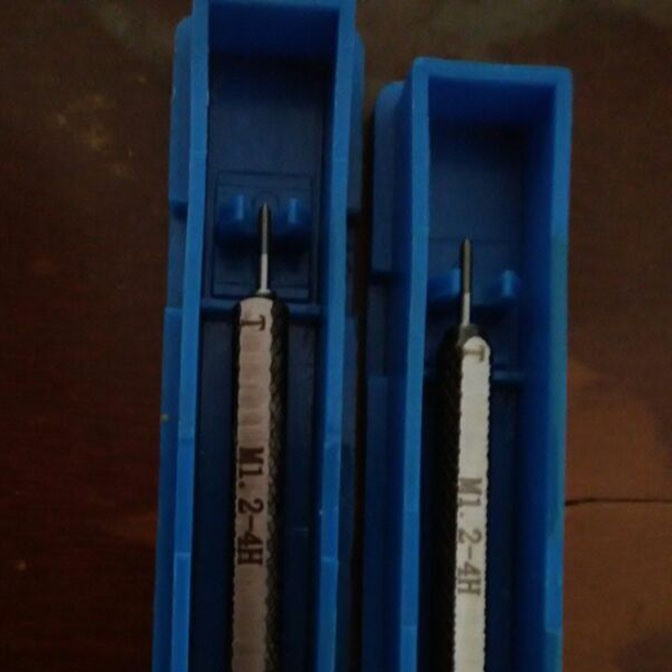
Understanding the Dial Snap Gauge A Crucial Tool in Precision Measurement In the world of precision engineering and manufacturing, measuring devices play a pivotal role in ensuring that components meet strict specifications. Among these tools, the dial snap gauge stands out as a versatile and essential instrument for quality control and precision measurement. This article delves into the features, applications, and advantages of the dial snap gauge, illustrating its significance in various fields. What is a Dial Snap Gauge? A dial snap gauge, also known as a dial gauge or dial indicator gauge, is a measuring instrument designed to assess the dimensions of an object, particularly its thickness or diameter. The device typically consists of a dial face that displays measurements, a probe that makes contact with the object being measured, and a spring-loaded mechanism that allows for precise readings. The gauge is often employed in environments where tight tolerances are crucial, such as in machining, assembly, and quality assurance processes. Key Features of Dial Snap Gauges 1. Precision Measurement Dial snap gauges are known for their accuracy, often providing measurements with a tolerance of thousandths of an inch. The precision of these gauges makes them indispensable in manufacturing settings where precision is non-negotiable. 2. Ease of Use One of the most commendable features of dial snap gauges is their user-friendly design. With a straightforward dial display, operators can quickly read measurements without the need for extensive training or complicated mathematical calculations. This ease of use enhances efficiency in a busy manufacturing environment. 3. Durability and Robustness Constructed from high-quality materials, dial snap gauges are designed to withstand the rigors of industrial environments . They can endure vibrations, impacts, and other potentially damaging factors, ensuring that they maintain their accuracy and longevity. 4. Versatility Dial snap gauges can measure a wide range of dimensions and can be used for both external and internal measurements. Some models come equipped with interchangeable probes or attachments, allowing for flexible use across diverse applications. dial snap gauge Applications of Dial Snap Gauges Dial snap gauges are utilized across various industries where precise measurements are imperative. Some common applications include - Machining In CNC machining and fabrication, dial snap gauges are used to measure the dimensions of machined parts, ensuring they fit together correctly and function as intended. - Quality Control Manufacturing companies employ dial snap gauges in quality control processes to verify that products meet design specifications and regulatory standards. - Automotive Industry In the automotive sector, dial snap gauges help ensure that components such as brake pads, gears, and other critical parts adhere to tight tolerances for safety and performance. - Aerospace The aerospace industry relies on dial snap gauges to measure components that must meet stringent safety standards, where even minor discrepancies can have serious implications. Advantages of Using Dial Snap Gauges The benefits of using dial snap gauges extend beyond their accuracy and ease of use. These instruments contribute to improved operational efficiency and reduced waste in manufacturing processes. By enabling precise measurements, dial snap gauges help prevent defects and rework, ultimately leading to cost savings. Additionally, the mechanical nature of dial gauges means they do not require a power source, making them reliable for use in various field conditions. Their straightforward design also minimizes the risk of user error, as operators can quickly verify readings and make adjustments as needed. Conclusion In summary, the dial snap gauge is an essential tool in precision measurement, delivering accuracy, ease of use, and durability across numerous applications. Its significance in quality control and manufacturing cannot be overstated, as it ensures that products meet stringent specifications and function as intended. As industries continue to prioritize precision and quality, the dial snap gauge will remain a cornerstone of measurement technology, supporting advancements in engineering and manufacturing processes.
about
blue bathroom mirror
Understanding Metric Trapezoidal Thread A Comprehensive Overview In the world of mechanical engineering and manufacturing, threaded fasteners play a crucial role. Among the various types of threads, the metric trapezoidal thread stands out for its unique shape and applications. This article will delve into the characteristics, advantages, and uses of metric trapezoidal threads. Metric trapezoidal threads are designed with a trapezoidal profile, distinct from standard triangular threads. This shape provides several benefits that enhance the performance and reliability of threaded connections. The thread's geometry allows for efficient transfer of load, making it ideal for applications involving power transmission, such as lead screws in machinery. The flat top and bottom of the trapezoidal thread minimize the risk of stripping, which can occur with other thread types under heavy loads. One of the primary advantages of metric trapezoidal threads is their increased contact area. This feature helps in distributing loads more evenly across the thread, reducing wear and increasing the overall lifespan of both the screw and the nut . Additionally, the design allows for smoother operation, minimizing friction and enhancing the precision of motion in applications where accuracy is paramount. metric trapezoidal thread Metric trapezoidal threads are standardized under the ISO 2901 standard, which specifies their dimensions, pitch, and tolerances. Common pitches include 1, 1.5, 2, and 3 millimeters, allowing engineers to select the appropriate size for their specific needs. The metric designation also ensures compatibility in international markets, making these threads a popular choice among manufacturers worldwide. Applications for metric trapezoidal threads are diverse and extensive. They are commonly found in machinery and automation systems where linear motion is required. For instance, in CNC machines, these threads are used in lead screws that convert rotary motion into linear movement with high precision. They are also employed in lifting equipment, such as jacks and screw lifts, where the thread's ability to handle heavy loads is crucial. Additionally, metric trapezoidal threads are widely used in agricultural machinery and automotive applications, where durability and reliability are essential. Their ability to withstand dynamic loads makes them an ideal choice for these demanding environments. In conclusion, metric trapezoidal threads offer a robust solution for various mechanical applications. Their unique design provides numerous benefits, including enhanced load distribution, reduced wear, and smooth operation. As manufacturing technology continues to evolve, the importance of reliable and efficient threaded fasteners, such as metric trapezoidal threads, cannot be overstated. Understanding their role in engineering helps in making informed decisions when designing and manufacturing machinery that requires precision and endurance.
-

High quality industrial productsagement

High quality industrial products
View Details -

Meet the diverse needs of customers

Meet the diverse needs of customers
View Details -

Strict quality control

Strict quality control
View Details -

Top raw materials

Top raw materials
View Details -

Trusted supplier

Trusted supplier
View Details
Our application


news and information
y type strainer filter,,10
Y Type Strainer Filter A Compreensive Guide Y Type Strainer Filter has become an essential tool in

Van nước mở hoặc đóng
Van nước Bật hay Tắt? Trong cuộc sống hàng ngày, van nước đóng vai trò cực kỳ quan trọng. Chúng khôn
which way turn water valve off
How to Turn Off a Water Valve A Step-by-Step Guide Understanding how to turn off a water valve is an
 English